Prices, decoded
How Much Does It Cost to Go to Fuji-Q Highland? Every 2026 Price
Entry costs nothing. A full coaster day costs plenty. Here is every real number, and the three-ride rule that decides which ticket you buy.
 Written with Kenji Yamamoto, Fuji-Q Highland ticket specialist
Short answer
Entry to Fuji-Q Highland is free. Rides are paid: about ¥800 to ¥2,000 each, or unlimited with a One Day Pass at ¥6,000 to ¥7,800 for adults depending on the date. Online in English, the one-day pass is on Klook, priced in your own currency and rated 4.6 across 3,400+ reviews. Budget roughly ¥9,000 to ¥12,000 per adult for a full day with food and lockers.
Use the price for your date. Three ¥2,000 rides equal ¥6,000; that does not make every date’s pass cheaper.
The first time I walked a group of Australian visitors to the Fuji-Q gates, one of them stopped dead and asked why nobody was selling entry tickets. Fair question. The park quietly switched to free entry, and it still wrongfoots almost every international visitor I help: you walk in for 0 yen, then the rides bill you.
The useful comparison is your expected ride total against the quote for your actual date.
How does the Fuji-Q Highland ticket system work?
Fuji-Q Highland uses free entry: walking into the park costs 0 yen with a free admission ticket from the counter. Every attraction then charges its own fee, from about ¥800 for small rides to ¥2,000 for the big coasters, unless you carry an unlimited-rides pass for the day.
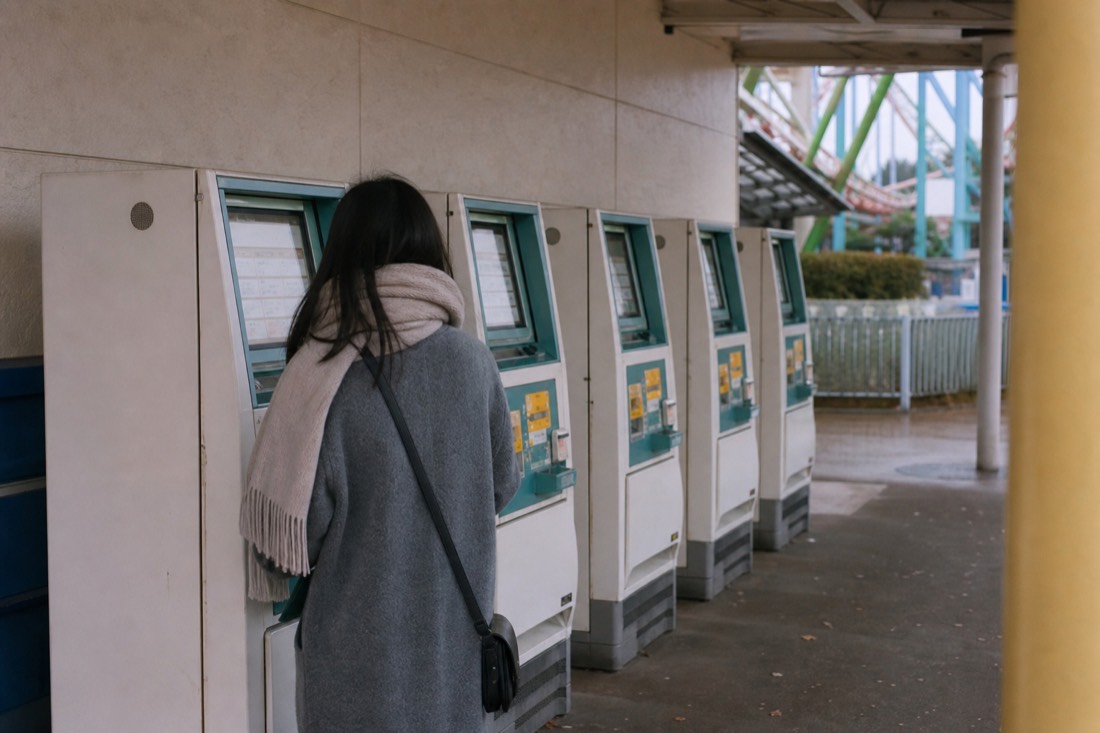
The park's own ticket pages spell it out: ask for a free admission ticket, then buy ride tickets at vending machines inside, or hold a pass. The system exists so locals can stroll in for dinner or a photo of Mt. Fuji without paying park prices. For a coaster visitor it just adds a decision: pass or per-ride.
That decision has real money attached. Here is the current official pricing, which moves by date rather than sitting still.
| Ticket | Adult (18-64) | Junior/high school | Elementary | Toddler/senior |
|---|---|---|---|---|
| Park entry | Free | Free | Free | Free |
| One Day Pass | ¥6,000-7,800 | ¥5,500-7,300 | ¥4,400-5,000 | ¥2,100-2,500 |
| Afternoon Pass (from 1pm) | ¥4,100-5,900 | ¥3,800-5,600 | ¥3,500-4,100 | ¥1,700-2,000 |
| Sunset Night Pass (extended days) | ¥3,600-3,900 | varies | varies | varies |
Those ranges are the point: the park prices by calendar, so a rainy Tuesday in February and a July Saturday can differ by nearly ¥2,000 on the same pass. The monthly price PDFs on the official site show your exact date.
How much are single ride tickets at Fuji-Q?
The four headline coasters, Fujiyama, Takabisha, Eejanaika and ZOKKON, cost ¥2,000 per single ride. Smaller attractions run roughly ¥800 to ¥1,500, and Thomas Land's family rides sit around ¥400 to ¥500 each. Three ¥2,000 rides total ¥6,000, which only breaks even with a ¥6,000 pass.
Here is what each attraction charges on its own, before any pass math:
| Attraction | Single-ride price | Notes |
|---|---|---|
| Fujiyama | ¥2,000 | Big four coaster |
| Takabisha | ¥2,000 | Big four coaster |
| Eejanaika | ¥2,000 | Big four coaster |
| ZOKKON | ¥2,000 | Big four coaster |
| Smaller attractions | ¥800-1,500 | Mid-tier rides |
| Thomas Land rides | ¥400-500 | Family rides |
| Haunted Hospital | ¥4,000 with pass / ¥8,000 without | Priced per group of up to four, sold on-site |
I call it the three-ride rule when I plan days for guests. The math is not subtle:
| What you ride | Per-ride total | One Day Pass (low season) | Verdict |
|---|---|---|---|
| 1 big coaster | ¥2,000 | ¥6,000 | Per-ride wins |
| 2 big coasters | ¥4,000 | ¥6,000 | Per-ride wins, barely |
| 3 big coasters | ¥6,000 | ¥6,000 | Break-even before lunch |
| Big four + 2 re-rides | ¥12,000 | ¥6,000 | The pass halves your day |
One strong per-ride case is the visitor who came for the Mt. Fuji photo spots and one bucket-list drop. Everyone else does the coaster math once, at the gate, usually after the first ¥2,000 vending-machine stop. Do it here instead, and see the full channel comparison for when each option wins.
What does the Klook one-day pass cost in dollars?
The Fuji-Q Highland one-day pass on Klook includes park admission plus unlimited rides, carries discounted rates for kids and seniors, and is rated 4.6 across more than 3,400 reviews. You pick your visit date at booking, and the whole checkout runs in English in your own currency.
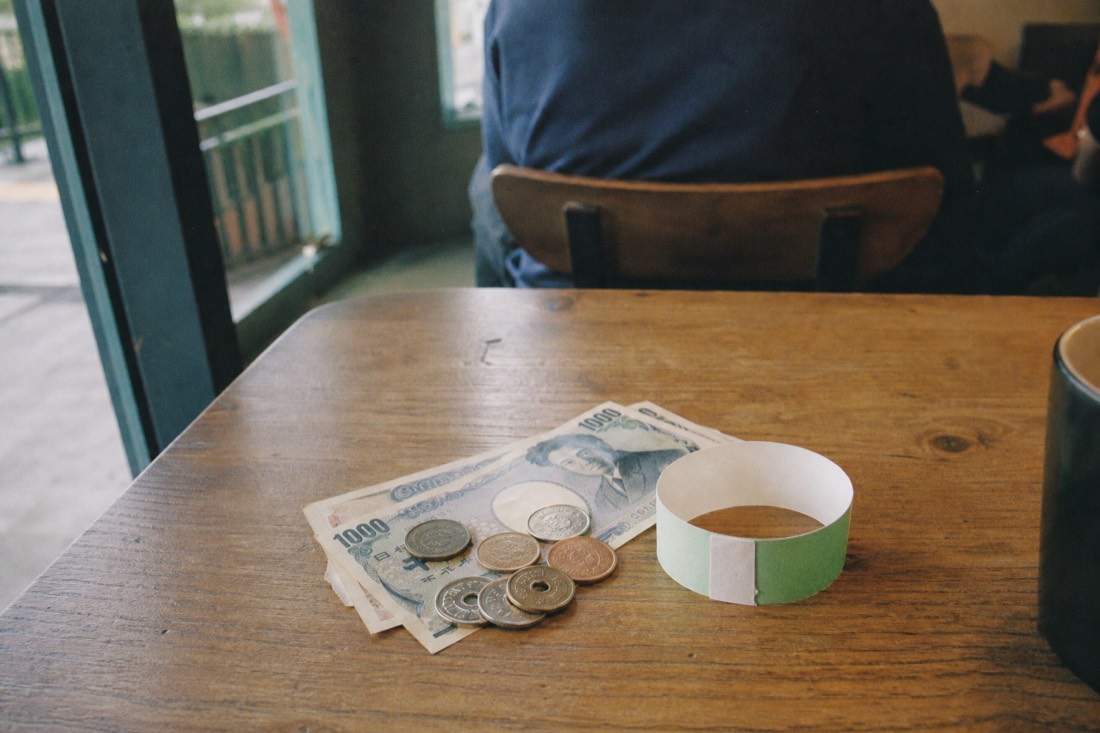
That from-price tracks the yen pass closely once you convert: on peak dates the official counter reaches ¥7,800-7,900, which lands near the same money. What you are actually buying on the one-day pass listing is the removal of friction: no Japanese members-club signup, no counter queue on a Saturday morning, and an instant mobile QR ticket. One honest caveat I give every guest: cancellation terms vary by ticket, so check them on the listing before you commit to a date.
What does a full Fuji-Q day realistically total?
For a thrill-focused adult, budget ¥9,000 to ¥12,000 all-in: a pass at ¥6,000-7,800, lunch and snacks around ¥1,500-2,500, a locker at a few hundred yen, and optionally one ¥4,000-per-group Haunted Hospital slot or a priority ticket. Transport from Tokyo adds ¥4,000-8,000 round trip.
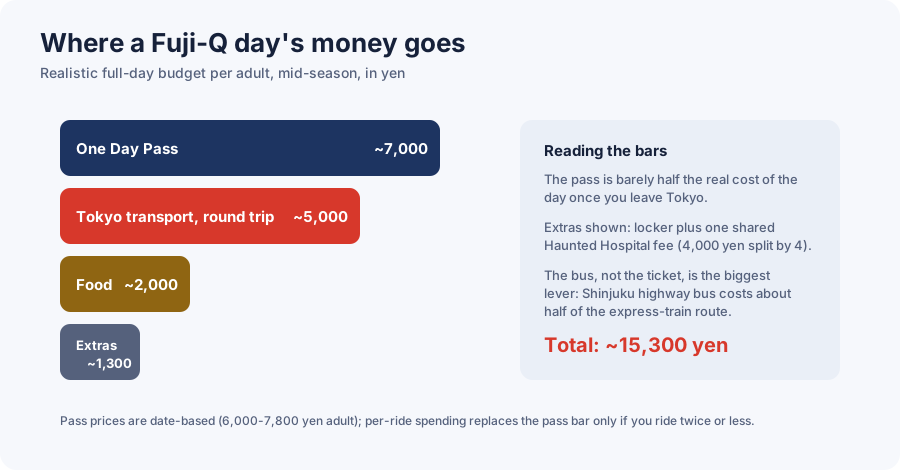
A few line items guests never see coming. The Haunted Hospital is priced per group, not per person, which makes it a bargain for four courage-pooling friends and an odd luxury for one. Food inside runs standard Japanese theme-park prices, not highway-robbery ones. And the getting-there choice swings your budget more than any snack: the direct Shinjuku bus is roughly half the cost of the express train.
If you are timing your visit to dodge the priciest dates and the worst queues at once, my crowd calendar guide maps the cheap-and-quiet windows, and the priority pass guide covers when paying extra to skip lines actually makes sense.
How does the one-day pass compare to pay-per-ride for different visit styles?
Three ¥2,000 rides equal a ¥6,000 pass, but a higher-priced pass needs more ride value to break even. A short visit or a young family sampling a few rides may cost less with individual tickets.
The arithmetic is the whole game. Four big coasters at ¥2,000 each is ¥8,000, so the big-four rider clears the ¥6,000 adult pass with change to spare, and every re-ride after that costs nothing. The one-drop visitor is the opposite case: one ¥2,000 coaster and a Mt. Fuji photo, nowhere near pass territory. My family example sits in between. Say two elementary kids each ride three Thomas Land rides at about ¥450 and one mid-tier ride at ¥1,000, roughly ¥2,350 a child against a ¥4,400 child pass. Pay-per-ride still wins, right up until a kid demands a fourth and fifth go.
| Visit style (Kenji's example) | What they ride | Pay-per-ride total | One-day pass | Cheaper choice |
|---|---|---|---|---|
| The one-drop visitor | 1 big coaster | ¥2,000 | ¥6,000 adult | Pay-per-ride |
| The big-four rider | all 4 big coasters | ¥8,000 | ¥6,000 adult | One-day pass |
| The family sampler (per child) | 3 Thomas Land rides + 1 mid-tier | ~¥2,350 | ¥4,400 elementary | Pay-per-ride |
What extra costs should you budget beyond the ticket?
Beyond the ticket, plan for round-trip Tokyo transport at ¥4,000 to ¥8,000, food at ¥1,500 to ¥2,500, and a coin locker at a few hundred yen. Those three are published figures. On top of them I allow a little for optional priority tickets and souvenirs, framed as planning money rather than fixed park prices.
The ticket is rarely the biggest line on the day. Getting there usually is, and how you get there swings it: the direct Shinjuku bus runs roughly half the express train, which is why my transport allowance spans ¥4,000 to ¥8,000 instead of one flat number. Food inside is ordinary theme-park pricing, not a shakedown, so ¥1,500 to ¥2,500 covers a lunch and a couple of snacks.
The last two rows are mine, not the park's. Priority tickets price by ride and season, so I carry a small allowance and spend it only where a queue earns it. Souvenirs are pure discretion. I set a soft ceiling before we walk in and let the kids choose inside it.
| Line item | Kenji's planning allowance | Note |
|---|---|---|
| Round-trip transport from Tokyo | ¥4,000-8,000 | Published range; the bus is roughly half the train |
| Food and drinks | ¥1,500-2,500 | Published range; standard theme-park pricing |
| Coin locker | A few hundred yen | Published; a small on-site charge |
| Priority tickets (optional) | I allow ¥2,000-3,000 if I add one | My planning number, not a park rate; real prices vary by ride and season |
| Souvenirs (optional) | I budget around ¥1,500-3,000 | My soft ceiling, entirely discretionary |
Where Kenji tells visitors NOT to overspend
Most overspending at Fuji-Q is avoidable. Skip the ¥21,300 annual pass unless you visit three times a year, skip priority tickets on quiet weekdays, and never buy the Haunted Hospital solo when its price covers a group of four. Compare your actual pass price with the total for the rides you expect to complete.
I lose a little goodwill saying this, but talking guests out of spending is half my job. The annual pass tempts people who see ¥21,300 and imagine value, yet it only pays back around a third visit in a year, so a one-trip traveller is simply pre-paying for days they will never use. Priority tickets are the other classic trap. On a 20 to 40 minute weekday queue they buy you almost nothing, and that money genuinely tastes better as lunch.
The Haunted Hospital one surprises people every time. It is priced per group of up to four, so a solo visitor pays a four-person rate for empty seats. Go as a full group or skip it. And if your calendar has any give, move off the peak holiday dates: the same adult pass can run about ¥1,800 more on the busiest days, for identical rides.
| Spend | Worth it? | Kenji's verdict |
|---|---|---|
| ¥21,300 annual pass, one-time visitor | No | Only pays off around a third visit in a year; skip it |
| Priority tickets on a quiet weekday | Rarely | 20-40 minute queues don't justify it; spend it on lunch |
| Haunted Hospital as a solo rider | No | Priced per group of four, so alone you pay for empty seats |
| Per-ride tickets when you'll ride three big coasters | No | Three big coasters total ¥6,000; compare that with your actual pass price. |
| Peak-date pass when your dates flex | No | The same pass can cost about ¥1,800 more on a holiday; move a day |
Fuji-Q price FAQ
Are Fuji-Q tickets cheaper online or at the park?
Official online and counter prices are the same date-based yen figures; the app can skip entry lines. The Klook pass prices in dollars, so on cheap off-peak dates the counter can beat it, while on peak dates they converge. You choose between yen savings and English-language booking under the selected package’s terms.
Does Fuji-Q accept credit cards?
Yes, counters and most facilities take major cards, and the vending machines handle cash and cashless options. Booking the pass online ahead sidesteps the question entirely for the biggest expense.
Is there a student discount?
The pricing tiers are age-based rather than student-ID based: junior and senior high schoolers pay ¥5,500-7,300 for the One Day Pass and elementary kids ¥4,400-5,000. Bring proof of age for the youth tiers.
Do prices change during the year?
Yes, constantly. The park publishes monthly PDF price calendars; peak holiday dates cost up to about ¥1,800 more than the cheapest weekdays for the same adult pass. The ranges in this guide are the current published spread.
Your Next Step
Compare Your Actual Ticket Totals
General guidance; use the optional controls to match your plans.
Fuji-Q One-Day Ride Pass
Have your travel date in mind? Cover a full coaster day with unlimited standard rides. Check the date before arranging the rest of your day.
One-day ticket; meet at Fuji-Q. Transport, ride priority and special paid attractions are extra. Check voucher delivery and validity before paying.
Choose a date to check Viator’s schedule. Availability and final price are confirmed on Viator.
Compare Options & Match Your Plans
Compare Your Two Quoted Totals
Enter totals for the same party in one currency, including any compulsory extras. These are your figures, not live prices.
Affiliate links: we may earn a commission from qualifying bookings with Viator, GetYourGuide or Klook, at no extra cost to you.