The honest verdict
Is Fuji-Q Highland Worth It? An Honest Verdict by Visitor Type
Two hours from Tokyo, world-record coasters, real queues. Whether that trade is worth it depends entirely on which visitor you are.
 Written with Kenji Yamamoto, Fuji-Q Highland ticket specialist
Short answer
Worth it for coaster fans, emphatically: nowhere else puts a 121-degree drop, a 14-inversion 4D coaster and a 79-meter classic under Mt. Fuji on one unlimited pass. Worth it for families, usually, thanks to Thomas Land and the NARUTO area. Not worth it if you only want Mt. Fuji views, entry is free but Kawaguchiko does views better, or if your Japan trip has no spare full day.
Pay for the experience you want: coasters, a guided lake outing, or private transport. Free park views remain an option.
I have sent people away from Fuji-Q Highland. A couple with four hours and no interest in coasters once asked me if the park deserved their last free afternoon in Japan, and I pointed them at a Kawaguchiko lake cruise instead. The park is extraordinary at exactly one thing, and if that thing is not why you are coming, cheaper places do the rest better.
Your main reason for going should drive the booking, whether that is rides, scenery or an easier journey.
Is Fuji-Q Highland worth it for thrill-seekers?
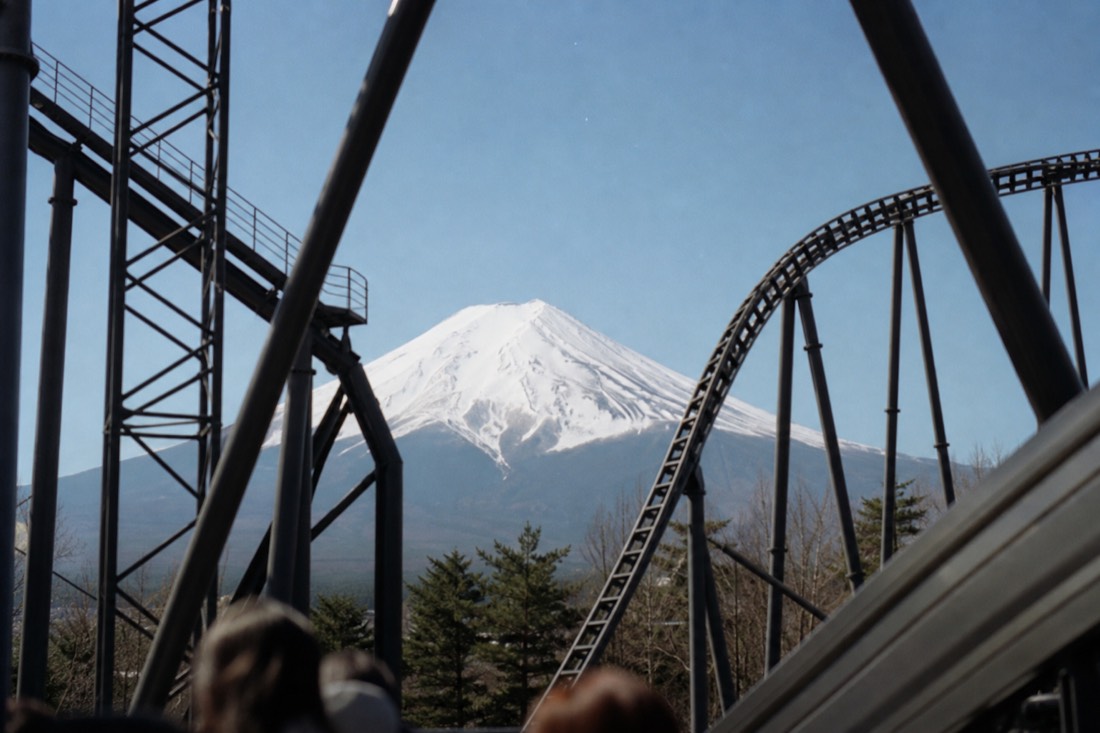
Yes, more than any park in Japan. For the price of one unlimited pass you ride Eejanaika's world-record 14 inversions, Takabisha's 121-degree drop, the 79-meter Fujiyama running since 1996, and the 2023 launch coaster ZOKKON, with Mt. Fuji filling the sky behind every lift hill.
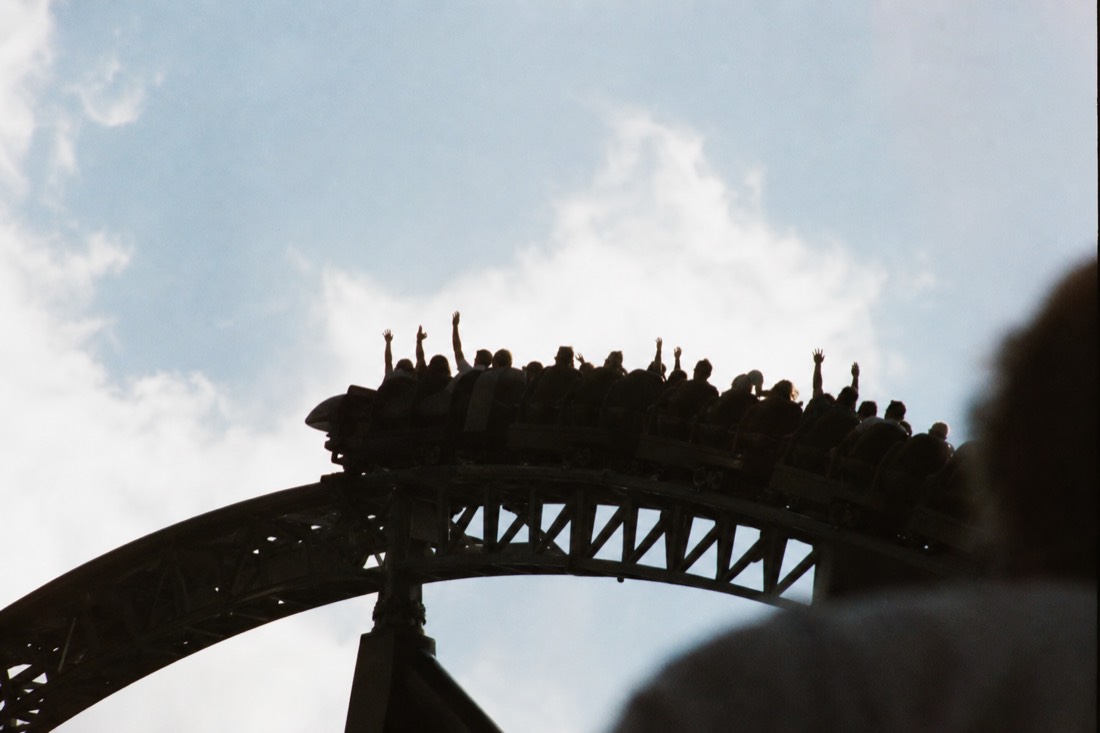
The lineup is genuinely world-class, not regionally famous. Takabisha held the Guinness record for the world's steepest coaster drop from 2011 to 2019. Eejanaika is one of only a handful of 4th-dimension coasters ever built, and its seats rotate independently mid-ride. Coaster tourists fly across the planet for this park; you are two hours from it.
The tax on all that is queue time. Weekend waits on the big four run 60 to 120 minutes; my time-planning guide and the 6pm priority-ticket trick exist to beat exactly this.
| Visitor type | Verdict | The deciding factor |
|---|---|---|
| Coaster fans | Go, no debate | Two current or former world-record rides in one park |
| Families with young kids | Usually yes | Thomas Land's 12 rides + free-entry NARUTO area |
| View-and-photo travelers | Usually no | Entry is free, but Kawaguchiko does Fuji views better |
| One-week first-time Japan itineraries | Only if you love rides | It costs a full day against Kyoto or Hakone |
| Teens who ride everything twice | Strong yes | Unlimited pass pays for itself by early afternoon |
Is Fuji-Q worth it for families who skip the big coasters?
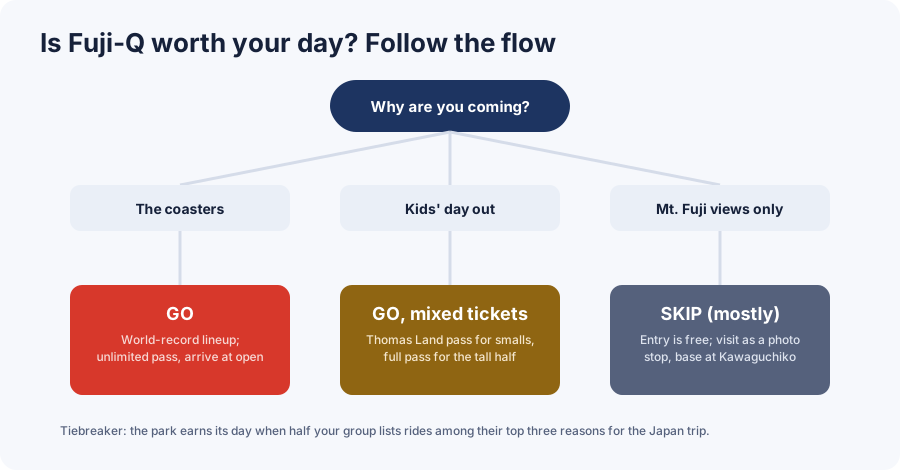
Usually yes, with the right expectations: Thomas Land runs 12 child-scale attractions at ¥400-500 each with its own cheaper pass, the NARUTO x BORUTO Hidden Leaf Village area is included with free park entry, and the park pairs naturally with a Kawaguchiko family day. Just do not buy adult thrill passes nobody will use.
This is the mistake I fix most often. A family of four defaults to four full One Day Passes, then two members spend the day in Thomas Land and the NARUTO village where a ¥3,000-3,500 Thomas Land Pass or plain per-ride tickets would have covered everything. Mixed tickets are allowed; mixed families should use them.
Is Fuji-Q worth it just for the Mt. Fuji views?
On its own, no. The views from the park are real and the coaster-plus-Fuji photos are unique, but entry being free tells you the truth: the paid product is the rides. If Mt. Fuji is the whole point, base yourself at Kawaguchiko, ten minutes further on the same line, and treat the park as a two-hour photo stop.
| Plan | Cost | Best for |
|---|---|---|
| Full day | One Day Pass (unlimited rides) | Coaster fans riding the big four |
| Half day | Afternoon Pass from 1pm, ¥4,100-5,900 | Quiet-weekday visitors with limited time |
| Free-entry photo visit | 0 yen | View-and-photo travelers taking no rides |
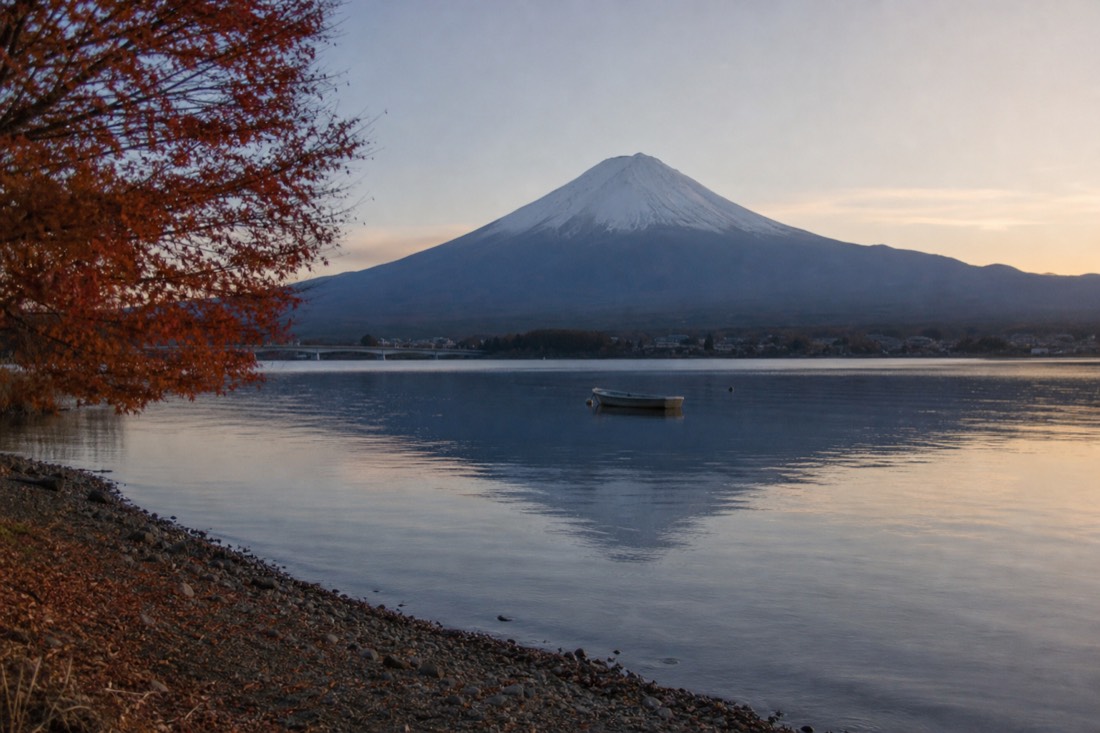
A guided lake activity is a separate booking from Fuji-Q admission. Allow time to reach its local meeting point.
That said, the free-entry visit is a genuinely underrated option that most international blogs never mention. You can walk in for 0 yen, shoot the coaster skyline against the mountain from the best photo spots in the park, eat lunch, watch riders scream over Takabisha's crest, and leave having spent pocket change. I take photographer friends in exactly this way. The trick is knowing it is legal and normal, and now you do.
Is the day trip from Tokyo worth the travel time?
The round trip costs four to five hours of your day, and the park rewards it if you arrive at opening and stay past mid-afternoon. Leave Shinjuku by 8:00, ride until 17:00, and the travel-to-park ratio lands around 1:2, which no one I have guided has regretted. Arrive at noon on a Saturday and the math collapses.
The honest comparison, since people always ask me for it:
| Option for the same day | Cost from Tokyo | What you get | What you give up |
|---|---|---|---|
| Fuji-Q full day | ¥10,000-16,000 all-in | World-record coasters + Fuji backdrop | A Kyoto/Hakone slot, evening energy |
| Hakone loop | ¥7,000-12,000 | Onsen, ropeway, lake, art | No thrills, heavier crowds at sights |
| Kawaguchiko day | ¥5,000-9,000 | Best Fuji views, lakeside cafes | Nothing faster than a ropeway |
| Stay in Tokyo | ¥0 transport | One more city day | The mountain entirely |
My rule of thumb: the park earns its day when at least half your group would list rides among the top three reasons they came to Japan. If that is you, sort how you are getting there and then check dates on the official Klook listing, because booking for a chosen date lets you chase a clear-sky forecast, and Fuji-Q with the mountain out is a different park from Fuji-Q in cloud.
Who is Fuji-Q Highland NOT worth it for?
Not worth it if Mt. Fuji views are your only goal, if your Japan trip cannot spare a full day, if nobody in your group actively wants coasters, or if you are traveling with kids too short for the big four and unwilling to lean on Thomas Land. In those cases I send people elsewhere, and I mean it.
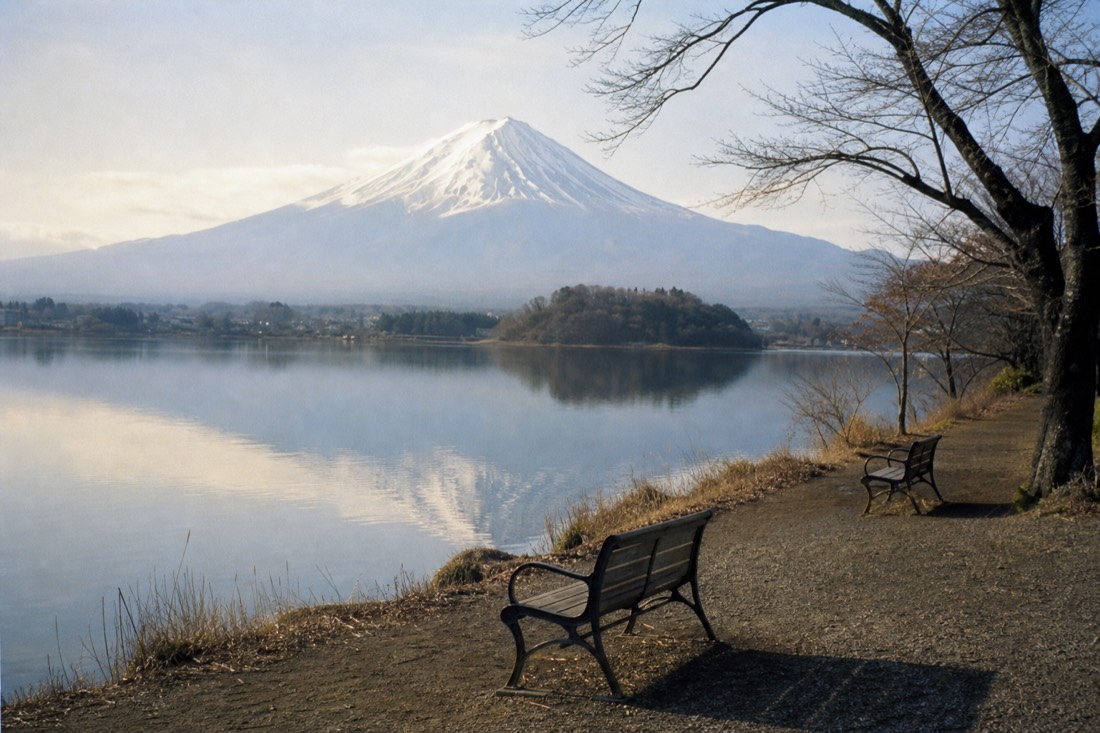
The uncomfortable truth is that this park is a specialist. It does one thing at world-class level and everything else at ordinary theme-park level, so anyone not there for the coasters is paying a Tokyo-day tax for scenery they can get cheaper. I have watched view-chasers stand at the free-entry fence, happy for an hour, then wonder why they blocked out a whole day. Kawaguchiko, ten minutes further along the same line, gives them the lake, the ropeway and the classic reflection shot without a single queue.
The families row deserves a caveat I always say out loud. Fuji-Q is not worth full adult passes for a group whose kids are too small for Takabisha or Eejanaika, yet it is very much worth a Thomas Land day on cheaper tickets. The skip verdict there is about the wrong ticket, not the wrong park.
| Visitor type | Verdict | A better use of the day |
|---|---|---|
| View-and-photo-only travelers | Skip the pass | Base at Kawaguchiko, or make a free-entry photo stop |
| One-week first-time Japan itinerary | Skip unless a rider | Give the day to Kyoto or Hakone |
| Group with no coaster fans | Skip | A Hakone loop or a Kawaguchiko lake day |
| Kids under the big-four height rules | Thomas Land only | Disneyland, or Thomas Land tickets rather than adult passes |
| A rainy forecast with a coaster plan | Reschedule | Book a clear-sky date instead |
How does Fuji-Q compare to Tokyo's other big parks on value?
On pure value Fuji-Q is hard to beat: it is the only major Japanese park with free entry, so non-riders pay nothing, and a full thrill day typically runs cheaper than a gate day at Disney or Universal. You pay for machines, not admission, which changes the whole math for mixed groups.
Value is not the same as cheapness, and Fuji-Q happens to win on both fronts. The One Day Pass sits around ¥6,000 to ¥7,800 by date, and unlike Disney or Universal you only pay it if you actually ride. A grandparent can walk in for nothing, photograph the coasters against the mountain, and the family total drops accordingly.
Where it loses is theming, and that is a deliberate choice by the park, not an oversight. Disney and Universal spend their budget on story, shows and polish; Fuji-Q spends it on steel. If your idea of value is immersion and IP, Osaka's Universal or Tokyo DisneySea return more per yen. If your idea of value is raw thrill per yen, nothing in Japan comes close, and our full Japan theme-park comparison ranks all five majors by trip type.
| Park | Entry model | The value angle |
|---|---|---|
| Fuji-Q Highland | Free entry + pass or per-ride | Non-riders pay 0 yen; typically the cheapest full day of the majors |
| Tokyo Disney / DisneySea | Date-priced gate ticket | Everyone pays at the gate, priced by calendar demand |
| Universal Studios Japan | Gate ticket + paid Express Pass | Skipping lines is an extra paid bundle on top |
| Nagashima Spa Land | Gate + pass options | Charged at the gate, strongest for sheer coaster count |
The honest trade-offs Kenji lays out before you commit a day
Every Fuji-Q day is a trade. You gain the most extreme coasters in the country and a Mt. Fuji backdrop no other park owns, and you give up four to five hours of travel, a slot that could have gone to Kyoto or Hakone, and a chunk of budget if your group rides a lot. Know the swap first.
I lay this out for every undecided guest because the regret I see is never about the rides themselves. It is about the day. People love the coasters and then quietly wish they had not surrendered a Kyoto afternoon to get them, or they arrive under thick cloud and never see the mountain that sold them the trip. The gains are real and so are the costs, and the honest version puts both on the table.
My own rule is simple. If at least half the group would list roller coasters among their top reasons for coming to Japan, the trade pays. If not, one of the alternatives above makes for a better day, and I would rather tell you that now than have you learn it at noon on a crowded Saturday.
| What you gain | What you give up |
|---|---|
| Japan's most extreme coaster lineup | A polished, story-driven park like Disney or Universal |
| A Mt. Fuji backdrop behind every lift hill | Any weather guarantee; cloud can hide the mountain all day |
| Free entry, so non-riders spend almost nothing | Four to five hours of round-trip travel from Tokyo |
| One day that doubles as your Mt. Fuji day | A slot that could have gone to Kyoto or Hakone |
| Weekday queues of 20 to 60 minutes | Weekend waits that stretch to 60 to 120 |
Worth-it FAQ
Is Fuji-Q Highland worth it if it rains?
Mostly no for coaster plans: rides pause individually and Fujiyama is the most weather-sensitive, closing for morning rain or afternoon wind. Indoor attractions and the Haunted Hospital keep running. Booking a clear-forecast date is the practical move here.
Is half a day at Fuji-Q enough?
On a quiet weekday, an Afternoon Pass from 1pm at ¥4,100-5,900 covers the big four with time to spare. On weekends, half a day often means two big rides. The full time math is in the planning guide.
Is Fuji-Q better than Universal Studios Japan?
Different sports. USJ wins on theming, shows and polish; Fuji-Q wins on raw coaster extremity and the Mt. Fuji setting, at roughly half the gate cost. Our Japan theme-park comparison on the blog ranks them honestly by trip type.
Do I need to book Fuji-Q tickets in advance?
The park sells same-day passes, but the English Klook listing is rated 4.6 across more than 3,400 reviews with over 100,000 booked, and peak-date official prices climb as calendars fill. Booking early costs nothing, since you choose your own visit date.
Your Next Step
Decide What Makes The Day Worthwhile
General guidance; use the optional controls to match your plans.
Fuji-Q One-Day Ride Pass
Have your travel date in mind? Cover a full coaster day with unlimited standard rides. Check the date before arranging the rest of your day.
One-day ticket; meet at Fuji-Q. Transport, ride priority and special paid attractions are extra. Check voucher delivery and validity before paying.
Choose a date to check Viator’s schedule. Availability and final price are confirmed on Viator.
Compare Options & Match Your Plans
Compare Your Two Quoted Totals
Enter totals for the same party in one currency, including any compulsory extras. These are your figures, not live prices.
Affiliate links: we may earn a commission from qualifying bookings with Viator, GetYourGuide or Klook, at no extra cost to you.