The view
Where to See Mount Fuji at Fuji-Q Highland: Best Photo Spots
Half the people at the gates came as much for the mountain as the coasters. Here is where Mt. Fuji photographs best from inside the park, and when it actually shows itself.
 Written with Kenji Yamamoto, Fuji-Q Highland ticket specialist
Short answer
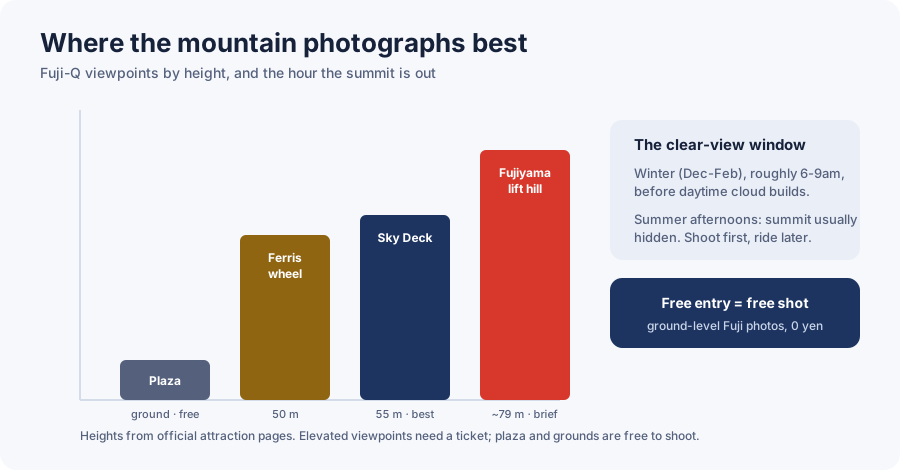
The best Mt. Fuji views inside Fuji-Q Highland are from the 55-meter FUJIYAMA Sky Deck observation platform, the 50-meter Shining Flower Ferris wheel, and the Fujiyama coaster's lift hill. The mountain is clearest on winter mornings (December to February, roughly 6 to 9am); by afternoon cloud usually swallows the summit. Park entry is free, so you can shoot the mountain without buying a single ride.
The park’s ground-level views are free. The optional e-bike tour adds a separate guided lakeside outing.
The photographers I bring here always make the same mistake: they arrive at noon, and by noon the summit is gone. Mt. Fuji is a morning mountain. The visitors clutching cameras at 2pm, staring at a grey smudge where the peak should be, are the ones nobody warned that this park's best free attraction has a schedule.
Choose the photo location first, then decide whether a separate guided outing adds anything to your free park visit.
Where is the best view of Mount Fuji inside Fuji-Q Highland?
Photography rule: Fuji-Q generally prohibits taking photos while riding attractions, except where explicitly permitted. Keep your camera stowed on coasters and use permitted ground-level viewpoints or the observation platform.
The single best vantage point is the FUJIYAMA Sky Deck, a 55-meter observation platform built onto the Fujiyama coaster structure, giving a direct, unobstructed line to Mt. Fuji's full ridgeline on clear days. After that: the 50-meter Shining Flower Ferris wheel for an elevated 12-minute view, and the Fujiyama lift hill itself, which puts you level with the mountain mid-ride.
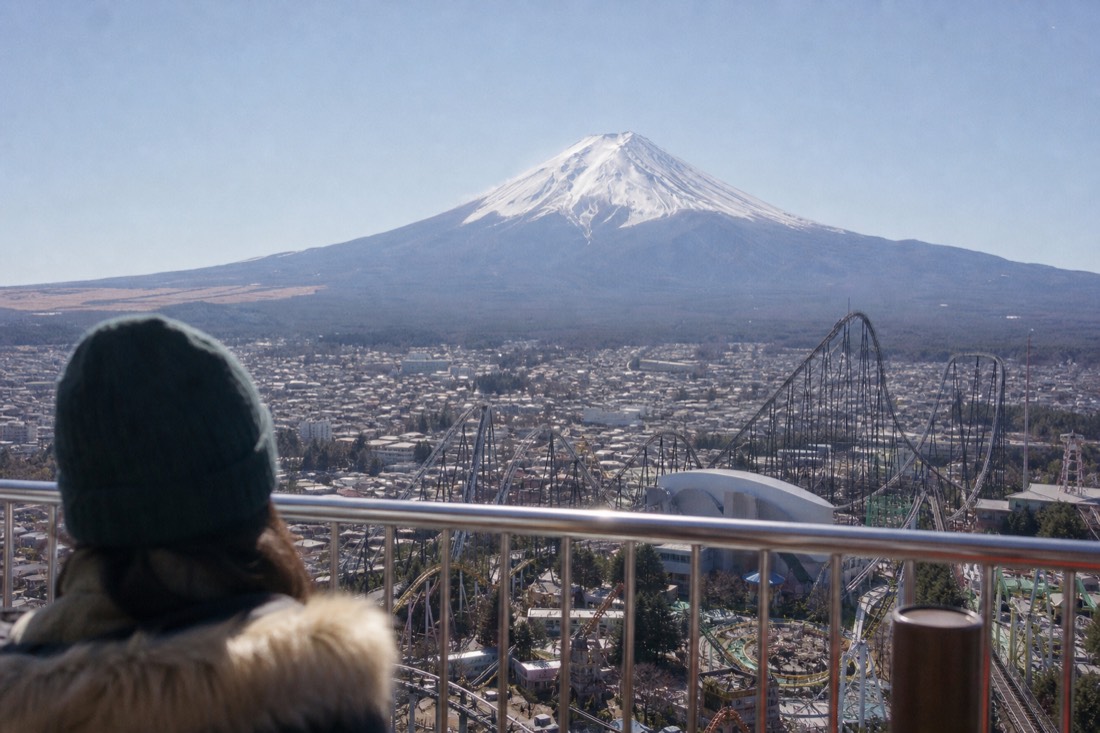
The Sky Deck is the shot most visitors miss because it reads as part of the coaster rather than a viewpoint in its own right. From 55 meters up you see the summit, the ridgeline down to the tree line, and the park's own coaster tangle in the foreground, which is the composition that makes a Fuji-Q photo unmistakably a Fuji-Q photo rather than a generic mountain snap.
| Vantage point | Height | What you get | Access |
|---|---|---|---|
| FUJIYAMA Sky Deck | 55 m | Direct full-ridgeline view + coaster foreground | Separate deck ticket |
| Shining Flower Ferris wheel | 50 m | Elevated 12-minute rotating view | Ride ticket / pass |
| Fujiyama lift hill | ~79 m at crest | Eye-level Fuji mid-ride, brief | Ride ticket / pass |
| Entrance plaza & park grounds | Ground | Wide context shots, no ticket needed | Free entry |
When is Mount Fuji actually visible from the park?
Winter mornings, hands down. From December to February the air is driest and the summit shows most reliably, ideally between about 6 and 9am before daytime cloud builds. Summer offers long park hours but the worst Fuji visibility, with the peak hidden behind haze and cloud on most afternoons. Plan the mountain shots for the first hour and the rides for later.
| Season | Fuji visibility | Note |
|---|---|---|
| Winter (Dec-Feb) | Clearest, summit most reliable | Driest air; shoot roughly 6 to 9am before cloud builds |
| Summer | Worst | Peak hidden behind haze and cloud on most afternoons |
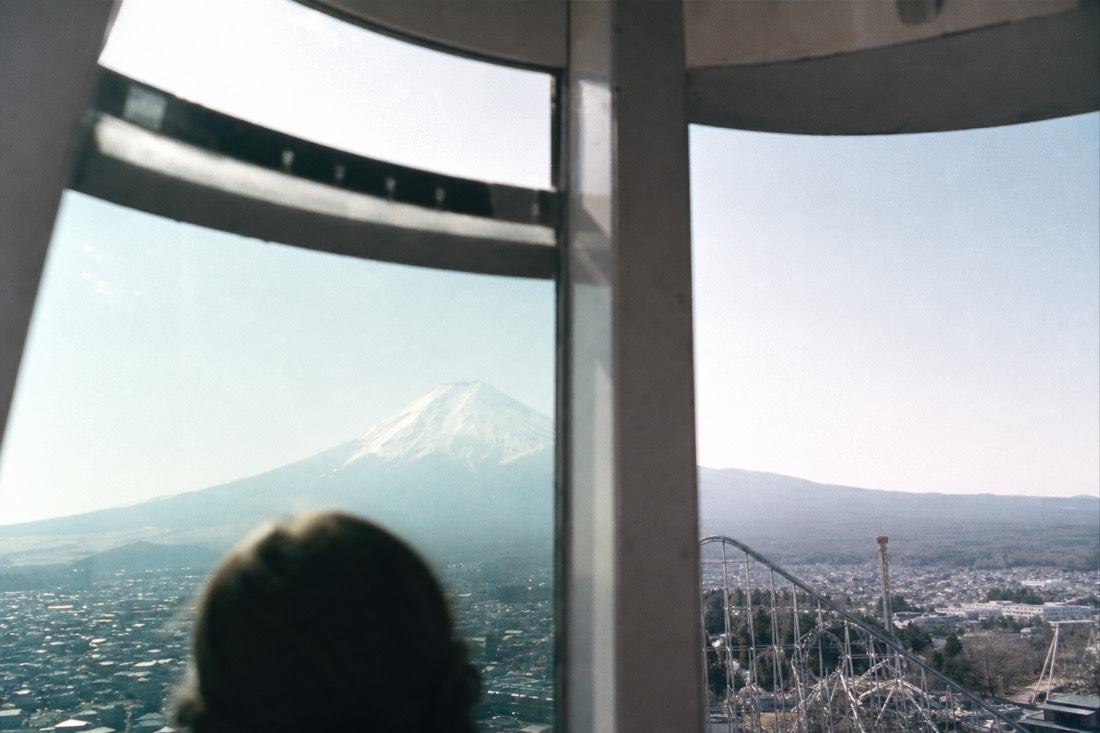
This is the scheduling insight that changes a photo trip. The mountain and the coasters want opposite times of day: Fuji is a dawn subject, while the ride queues are shortest at opening too. You cannot do both in the first hour, so decide which you came for. My rule for photographers: shoot the mountain from the plaza and lower viewpoints in the first 30 minutes, ride Fujiyama for the view with your camera stowed by 10am while the summit holds, then let the afternoon cloud have it.
Can you photograph Mt. Fuji at Fuji-Q without paying?
Yes, and it is one of the park's quietly great secrets. Because entry is free, you can walk in for 0 yen, photograph the coaster-and-Fuji skyline from the plaza and open grounds, eat lunch, and leave without a single ride ticket. The elevated viewpoints (Sky Deck, Ferris wheel, lift hills) need tickets; the ground-level context shots do not.
| Viewpoint | Cost | Best for |
|---|---|---|
| Entrance plaza & park grounds | Free (0 yen) | Wide coaster-and-Fuji context shots, no ticket |
| FUJIYAMA Sky Deck (55 m) | Separate deck ticket | Direct full-ridgeline view with coaster foreground |
| Shining Flower Ferris wheel (50 m) | Ride ticket / pass | Elevated 12-minute rotating view |
| Fujiyama lift hill | Ride ticket / pass | Eye-level Fuji mid-ride |
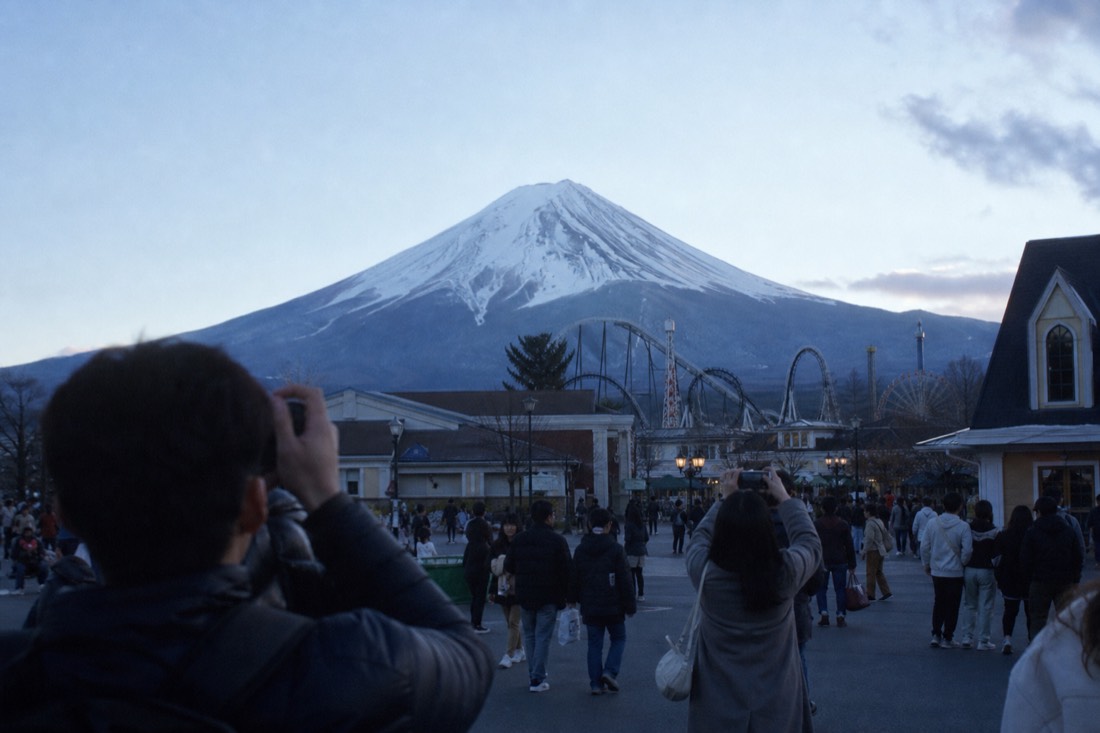
I take photographer friends in exactly this way when the forecast is perfect but their itinerary is full. You get the composition that makes people ask where it was taken, the red-and-white steel against the snow-capped cone, for the price of a train ticket. If you decide the elevated angles are worth it, the worth-it verdict weighs the free visit against a full ride day, and the Sky Deck alone is a modest separate ticket rather than a full pass.
How does the park view compare to Kawaguchiko?
For the classic postcard Fuji, the lake wins: Kawaguchiko gives you the mountain mirrored in still water with no steel in frame. For a Fuji shot nobody else has, the park wins, because the coaster foreground is unique to Fuji-Q. Serious photographers do both, and the two sit ten minutes apart on the same rail line.
The honest trade is subject matter, not quality. If your goal is the timeless reflected cone, base at the lake; our Fuji-Q plus Kawaguchiko itinerary pairs a park day with a lakeside dawn so you capture both faces of the mountain in one trip. If your goal is a frame with energy and story, the coaster-and-Fuji composition from inside the park is the one people remember, and the weather rules that govern it are the same ones that decide whether the rides run at all.
Which spots in the park give the best Mt. Fuji photo, ride by ride?
Ranked by what actually lands in the frame: the FUJIYAMA Sky Deck at 55 meters gives the cleanest full-ridgeline shot with the coaster tangle below it, the Shining Flower Ferris wheel offers a calm rotating view from 50 meters, and the Fujiyama lift hill puts you eye-level with the summit for a few seconds near its 79-meter crest. The free entrance plaza handles your wide context shots.
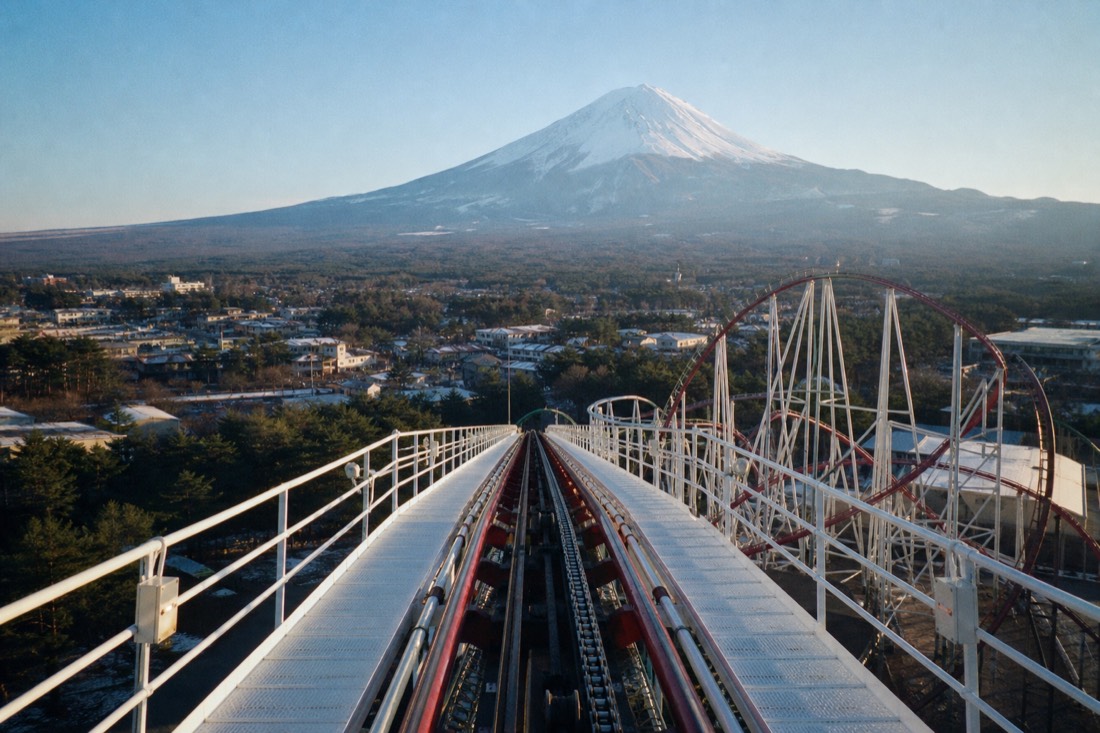
Each vantage rewards a different kind of photographer. The Sky Deck is the one I tell people to plan the morning around, because it is the only purpose-built platform and it stacks summit, ridgeline and coaster steel in a single frame. The Ferris wheel is the patient choice: a roughly 12-minute rotation gives you slow, steady angles with no jostling. The lift hill is the opposite, a brief view to enjoy with your camera stowed, not a photo opportunity.
| Spot or ride | What lands in the frame | Best time to shoot it |
|---|---|---|
| FUJIYAMA Sky Deck (55 m) | Full summit and ridgeline over the coaster tangle | First hour after opening, winter morning |
| Shining Flower Ferris wheel (50 m) | Calm rotating summit view across ~12 minutes | Mid-morning, before cloud builds on the peak |
| Fujiyama lift hill (~79 m crest) | Eye-level summit for a few seconds mid-ride | By 10am while the summit still holds |
| Entrance plaza and grounds (free) | Wide coaster-and-Fuji context, no ticket needed | On arrival at gates-open |
What time of day is Mount Fuji most likely to be out?
In my experience the mountain keeps early hours. The summit shows most reliably from gates-open to about 9am, holds through mid-morning on a dry day, then softens as cloud gathers on the peak by early afternoon. Winter brings the sharpest air of the year, while summer haze is the hardest to shoot through. This is the pattern I watch on my own visits, not a forecast reading.
Years of walking guests in at opening have taught me to read the sky by the hour rather than the season alone. The clearest summit almost always sits in that first window, which is why I set alarms for photographers and let them nap on the coasters later. On a cold winter day when the wind is up, I have sometimes seen the peak come back late in the afternoon after that same wind scrubs the cloud off it. Treat the table below as what I tend to see, not a promise.
| Time of day | What I usually see | Season that helps most |
|---|---|---|
| Gates-open to ~9am | Summit out, air at its clearest | Winter (Dec-Feb) |
| ~9 to 11am | Summit holding, first cloud gathering on the peak | Winter and dry spring mornings |
| Around midday | Peak softening into haze, lower slopes still there | Any season, weakest in summer |
| Early afternoon | Cloud usually across the summit | Summer worst for it |
| Late clear spell | Peak occasionally back when a cold wind scrubs the sky | Cold, windy winter days |
Kenji's photo-day playbook: getting the shot without wasting ride time
Here is how I run a photographer's day so the mountain and the coasters stop fighting for the same hour. Shoot Fuji first while the summit is out and the queues are still short, hand the cloudy afternoon to rides that need no view, then take one last plaza check near closing. The whole trick is treating dawn light and short morning queues as the same single window.
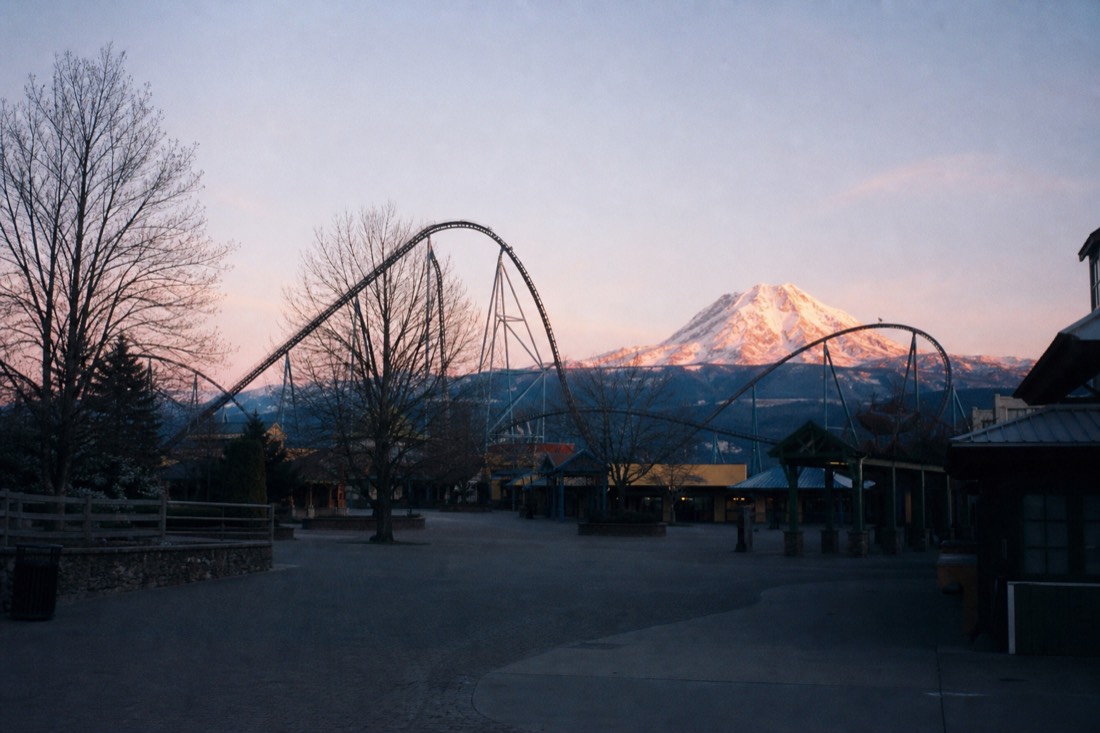
The tension is genuine, and most people lose a day to it. Mt. Fuji is a morning subject, but the shortest ride lines also fall at opening, so you cannot chase both in the first thirty minutes. My compromise banks the free plaza frame the moment I walk in, climbs the Sky Deck while the air is cleanest, then enjoys the lift-hill view with the camera stowed on one early Fujiyama ride. After that the light stops being special and the peak starts to go, so I let the rest of the day belong to the coasters. Once the summit clouds over, the new San-X Paradise area, open since August 1, 2026, gives fresh foreground when the mountain no longer plays along.
| Time | Where to shoot or what to ride | Why it works |
|---|---|---|
| On arrival, before the crowd | Plaza wide shot of coaster-and-Fuji | Free, summit at its clearest, no queue yet |
| Gates-open to ~9am | Sky Deck for the full ridgeline | Purpose-built platform, cleanest air of the day |
| ~9 to 10am | One Fujiyama ride, with the camera stowed | Enjoys the view if the summit is clear; no onboard photography |
| Late morning | Switch to Eejanaika and Takabisha | Cloud is taking the peak, so spend it on coasters |
| Afternoon | Foreground detail and the San-X Paradise area | Summit usually gone, so shoot story not the mountain |
| Last operating hour | Re-ride, then a final plaza check | Queues thin, and a cold evening can clear the peak again |
Photo-spot FAQ
What is the FUJIYAMA Sky Deck?
A 55-meter observation platform built onto the Fujiyama coaster structure, sold as a separate deck ticket rather than a coaster ride. It is the park's best purpose-built Mt. Fuji viewpoint, with the summit, ridgeline and coaster foreground all in one frame on a clear morning.
What time should I arrive for the best Fuji photo?
Be at the gates for opening, ideally on a winter morning. The summit is clearest roughly 6 to 9am; daytime heating builds cloud that usually hides the peak by early afternoon, especially in summer.
Do I need a pass just to photograph the mountain?
No. Park entry is free, so ground-level and plaza shots of the coaster-and-Fuji skyline cost nothing. Only the elevated viewpoints, the Sky Deck, Ferris wheel and coaster lift hills, need a ticket or pass.
Which coaster gives the best Fuji view?
Fujiyama, from the lift hill near its 79-meter crest, puts you level with the mountain for a few seconds. It is brief and you cannot linger. Keep cameras and phones stowed; this is a view, not an onboard photo opportunity.
Your Next Step
Choose Free Photos Or A Guided Lake Ride
General guidance; use the optional controls to match your plans.
Lake Kawaguchi E-Bike Tour
Have your travel date in mind? Explore lakeside Fuji viewpoints and local history with an English-speaking guide. Check the date before arranging the rest of your day.
Allow 3 hours; starts and ends at Kawaguchiko Station. E-bike and helmet included; shrine admission extra. Ages 12–70, at least one adult; cycling ability required. Mountain visibility is weather-dependent.
Choose a date to check Viator’s schedule. Availability and final price are confirmed on Viator.
Compare Options & Match Your Plans
Compare Your Two Quoted Totals
Enter totals for the same party in one currency, including any compulsory extras. These are your figures, not live prices.
Affiliate links: we may earn a commission from qualifying bookings with Viator, GetYourGuide or Klook, at no extra cost to you.