2026-07-10
Inside Fuji-Q's Haunted Hospital: What the Super Scary Labyrinth of Fear Actually Does to You
Fuji-Q Highland's Haunted Hospital explained before you pay the group fee: how the walking horror maze works, the ¥4,000 vs ¥8,000 pricing, how long it takes, and who should not go in.
 By Kenji Yamamoto, Fuji-Q Highland ticket specialist

I have guided fearless coaster people, the kind who ride Eejanaika twice back to back and rank machines off the world's-scariest list for sport, who then stood in front of the Haunted Hospital and quietly suggested lunch instead. A coaster straps you in and takes responsibility. This building hands responsibility back: you walk, it follows.
Separate the maze ticket from a full coaster day, then decide whether you want to arrange the Tokyo journey yourself.
What is the Haunted Hospital at Fuji-Q Highland?
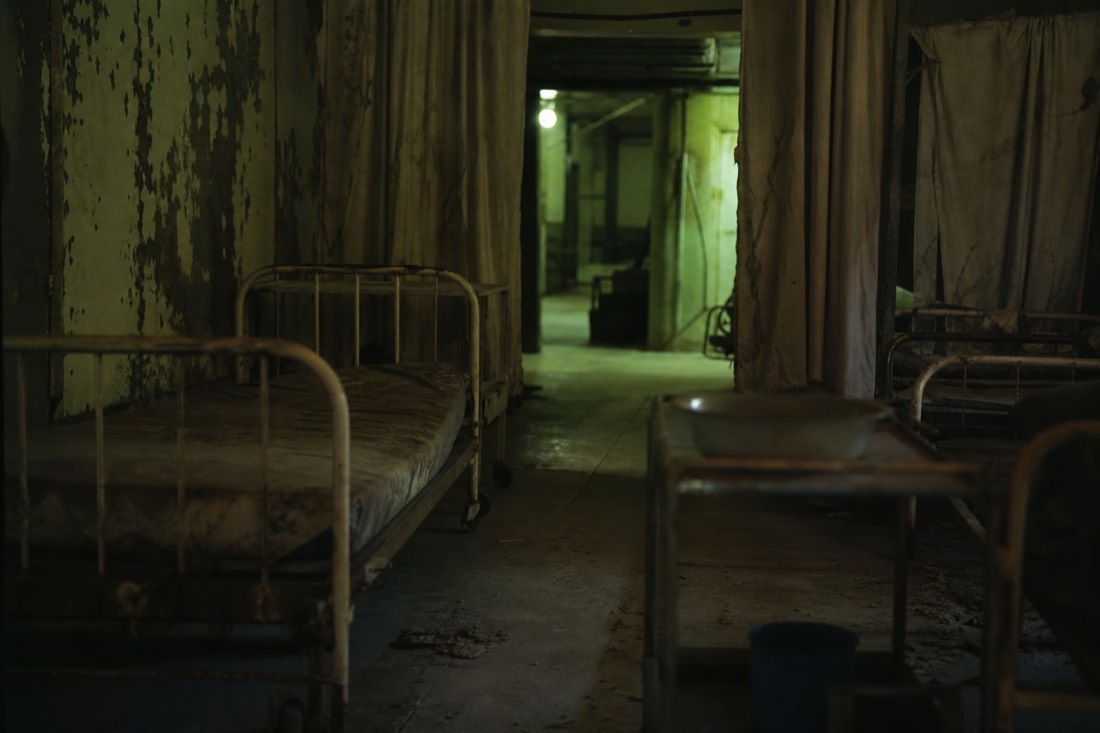
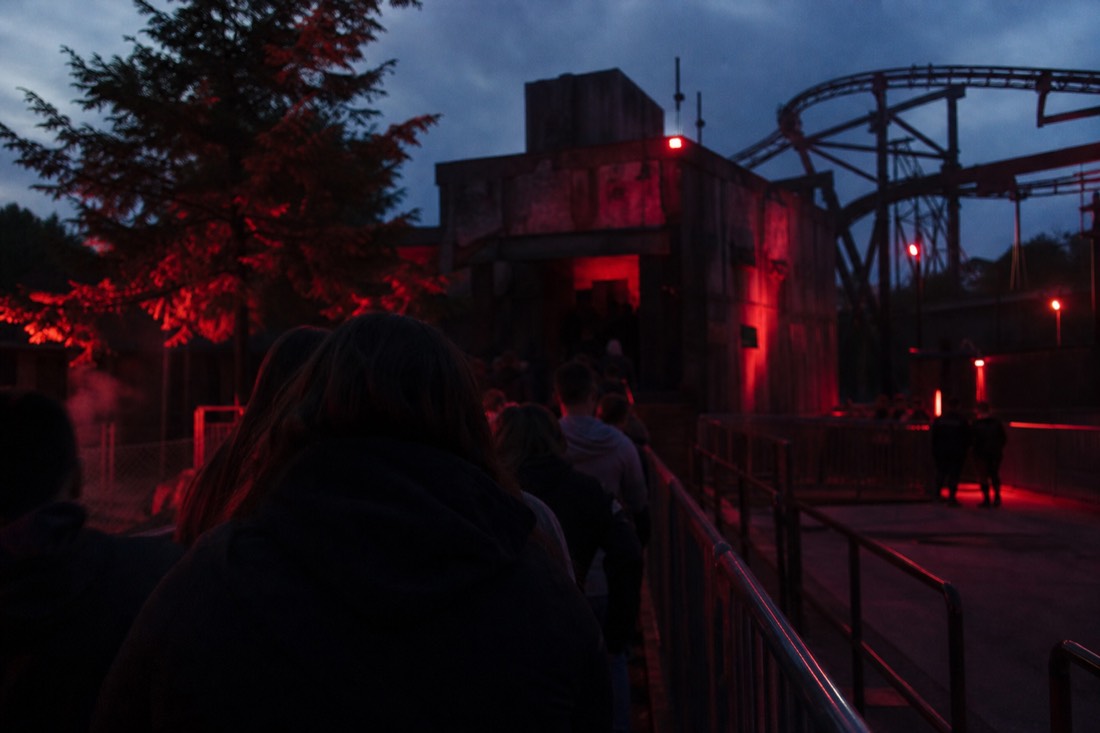
The Super Scary Labyrinth of Fear is a walk-through horror maze themed as an abandoned hospital, at roughly 900 meters one of the largest of its kind in the world. Groups of up to four walk the course on foot with no vehicle and no restraint, through corridors, wards and live-actor scares. It charges per group: ¥4,000 with a One Day or Afternoon Pass, ¥8,000 without, sold on-site only.
| Group size | Cost each (with a pass) | Note |
|---|---|---|
| 1 person | ¥4,000 | Solo pays the whole group fee |
| 2 people | ¥2,000 each | |
| 3 people | ~¥1,333 each | The ¥4,000 group rate split three ways |
| 4 people | ¥1,000 each | The group maximum, the cheapest per head |
Without a pass the group fee is ¥8,000, so every per-person figure above doubles.
The per-group pricing is the detail that changes plans. Four friends splitting the pass-holder rate pay ¥1,000 a head for the park's most famous non-coaster attraction; a couple pays ¥2,000 each; a solo visitor pays the whole ¥4,000 and walks alone, which I have seen exactly one person choose twice. The official attraction listing carries the current fees, and note it is a separate charge on top of any pass; no ticket includes it.
| The practical sheet | The answer |
|---|---|
| Format | Walking horror maze, live actors, no ride vehicle |
| Group size | Up to 4, priced per group |
| Cost | ¥4,000 with a pass, ¥8,000 without |
| Time | About an hour with pre-show; pace is yours |
| Age guidance | Elementary age and up; small children refused |
| Chicken exits | Yes, multiple marked escape doors |
How scary is it really, compared to the coasters?
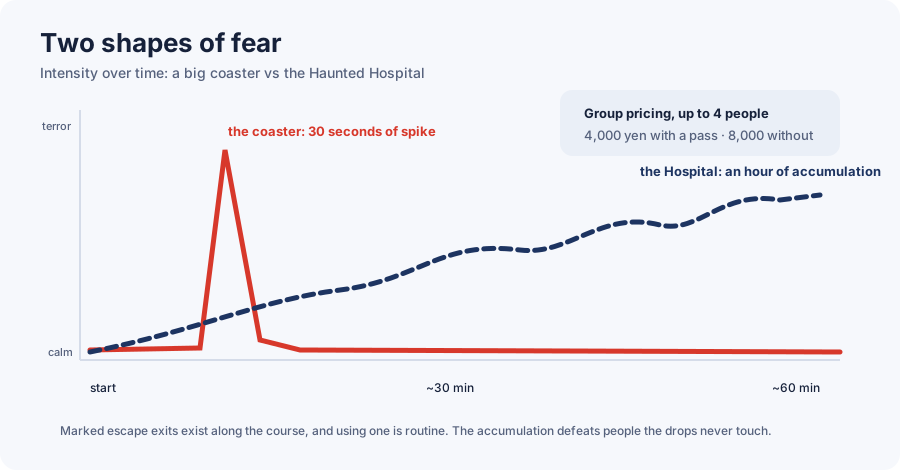
Different species of fear entirely. Coaster fear is intense, brief and outsourced to engineering; the Hospital is slow, sustained and personal, with actors who react to you specifically. On my guest scale the big coasters average an 8 for thirty seconds; the Hospital holds a 6 for the better part of an hour, and the accumulation defeats people the drops never touch.
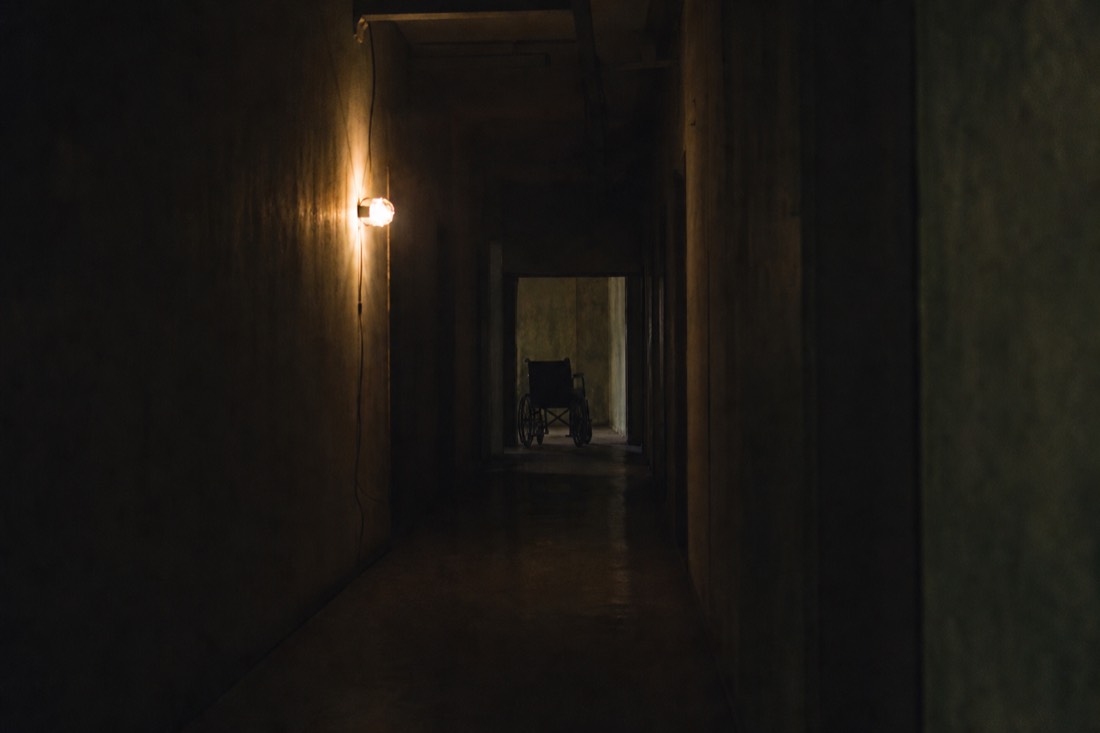
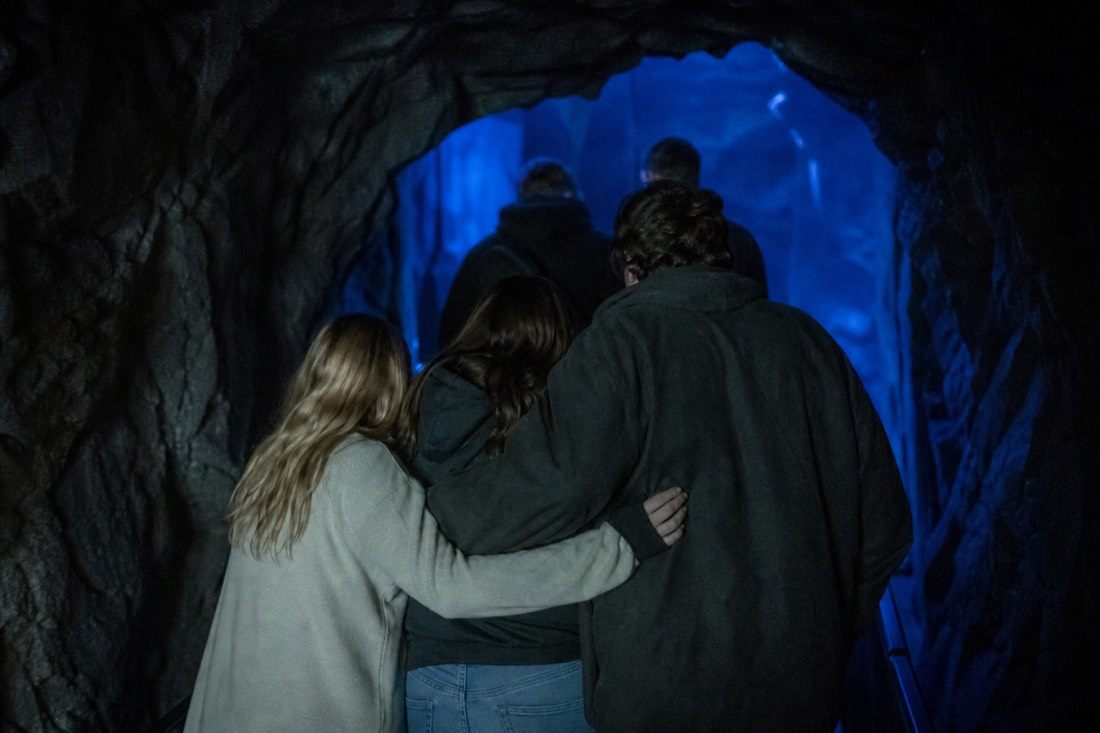
The design understands psychology the way Takabisha's hanging drop does: anticipation outperforms event. Long quiet corridors do most of the work; the actors collect what the silence sowed. The chicken exits are real and used without shame, and knowing they exist is half the reason groups make it through.
Who should skip it, honestly: anyone with a heart condition, anyone pregnant (standing guidance for intense attractions, as with the big-coaster health rules), children below elementary age, who are refused, and the friend who "hates haunted stuff but will come anyway". That friend sets the group's pace from the middle of the pack, and the group's evening mood afterward. Families with mixed nerves have a better afternoon waiting in Thomas Land and the NARUTO village while the brave half queues.
How do you fit the Hospital into a coaster day?
Book the group slot for mid-afternoon, the 15:00 lull when coaster queues peak anyway. Mornings are for the big four's short lines; the Hospital's hour-plus commitment costs least when Eejanaika's queue reads 90 minutes. Buy your slot inside the park early in the day, because busy-day slots run out.
| Day plan slot | Why it works |
|---|---|
| 9:00-12:00 | Big-four coasters in the morning queue valley |
| 12:00 | Early lunch; reserve/purchase the Hospital slot |
| 15:00 | Hospital hour while ride queues peak |
| 16:30 | Back to coasters as queues shrink toward close |
That is a compressed version of the full-day timing playbook; the sequencing matters more here than anywhere, because the Hospital is the only major attraction whose cost is measured in prime time rather than yen.
Is the Haunted Hospital worth the extra fee?
For groups of three or four with at least one horror fan: absolutely, it is the cheapest world-class scare per person in Japan and the story your group retells for years. For couples where one partner is reluctant: usually yes, with the chicken exits as the negotiated safety net. For solo visitors and families with small kids: no, the math and the format both argue against it.
The pass-holder discount does quiet work in that verdict: it effectively prices the Hospital at half for anyone who already made the sensible ticket choice. Which is one more argument, alongside the three-ride break-even, for arriving with the one-day pass already booked; you can check live availability and prices on Klook in English, and you can book it the moment your courage arrives.
Can you leave the Haunted Hospital early?
Yes. Marked escape exits are placed along the course and using one is routine, not shameful; staff guide early leavers out. A meaningful share of groups exit before the end, which the attraction wears as a badge.
Do the actors touch you?
The scares are proximity and pursuit rather than contact; you are not grabbed. Your own group members, statistically, are the ones who will grab you.
Is there an English version of the pre-show?
The theming and pre-show run in Japanese, and the fear translates fluently. Staff handle the practical instructions with enough English and signage for international groups to proceed without confusion.
Your Next Step
Plan The Hospital Around Your Starting Point
General guidance; use the optional controls to match your plans.
Haunted Hospital & Forest From Tokyo
Have your travel date in mind? Combine the Labyrinth of Fear with a forest-and-caves itinerary in one private day. Check the date before arranging the rest of your day.
10 hours including Tokyo hotel pickup/drop-off; group up to 4. Entry to visited attractions and English-speaking driver included. No coaster pass or hotel stay. Cave access is not established as wheelchair-accessible; confirm suitability.
Reconfirm your visit date on GetYourGuide before paying.
If the calendar does not appear, check dates using the booking link below.
Compare Options & Match Your Plans
Compare Your Two Quoted Totals
Enter totals for the same party in one currency, including any compulsory extras. These are your figures, not live prices.
Affiliate links: we may earn a commission from qualifying bookings with Viator, GetYourGuide or Klook, at no extra cost to you.